Saguaro Cactus Facts: How Old, How Tall, and Why You Can't Touch Them
How old is a saguaro, how tall does it get, when does it bloom, and why is it protected? Verified facts from the National Park Service and Arizona.

A saguaro can live for over 150 years, grows to about 40 feet tall, and is protected by Arizona law. It also takes decades to grow arms or flowers, which is why every tall saguaro you see on a Scottsdale ride is older than anyone in the buggy. Here are the facts people ask about most, each one checked against the National Park Service or the State of Arizona.
How Old Is a Saguaro?
Slowly is the short answer. The National Park Service’s Saguaro Growth page gives these benchmarks:
| Size | Approximate age |
|---|---|
| 1 to 3 inches tall | 5 to 10 years |
| 2 feet tall | 20 to 40 years |
| 6 to 8 feet tall | 35 to 70 years |
| About 40 feet | Often over 150 years |
Growth depends on rainfall, so the same size can mean different ages in different places. The park notes that saguaros in its drier western district grow more slowly than in the wetter east.
When Do Saguaros Grow Arms?
Not for a long time. Per the same NPS page, arms start to appear when a saguaro is about 8 to 20 feet tall. The Organ Pipe Cactus National Monument’s saguaro page gives a range of 70 to 90 years for arms to appear, and also says the first arm can take 95 to 100 years. The honest answer is that it varies with the local rainfall, so treat any single number as a rough guide.
How Tall Do They Get?
According to the NPS, healthy saguaros grow to about 40 feet, and the tallest one recorded was 78 feet. Most of the giants you pass on a trail are somewhere in between. Standing next to a 30-foot saguaro on a ridge gives you a very different sense of the desert than any photo can.
When Do Saguaros Bloom?
Flowers show up from late April to mid-June, per Saguaro National Park. The blossoms are milky white, according to Organ Pipe. Because a saguaro doesn’t flower until it’s at least 35 years old, a blooming one is already well into adulthood. For the seasons that suit a ride, see our guide to the best times of year to book an Arizona desert tour.
Why You Can’t Touch (or Take) a Saguaro
The spines are reason enough, but the law is stricter than most visitors realize. The University of Arizona Extension’s Arizona Native Plant Law summary lists the saguaro as a protected plant. Protected plants may not be removed from private or public land without the landowner’s permission and a permit, and the Arizona Department of Agriculture handles the permits and notifications.
What that means for visitors:
- Don’t carve, climb, or damage a saguaro. That includes initials and “arms up” photos that involve grabbing the plant.
- Never dig one up or take a piece home. Removal needs a permit, as above.
- Watch your footing and your hands. Desert wildlife shelters in the shade of plants, so look before you reach. Our rattlesnake guide explains what to do.
How to Read a Saguaro on the Trail
You can estimate a saguaro’s life stage without any special tools. Start with the shape. A single tall column with no arms is usually younger than a saguaro with several. If you spot white blossoms, you’re looking at a plant that is at least 35 years old, since that is the youngest age the NPS says a saguaro flowers. Then compare it to a person: a saguaro about 6 to 8 feet tall, roughly the height of a doorway, is about 35 to 70 years old by the NPS benchmark.
That’s a fun game on a ride. Our guides will often stop beside an especially tall cactus, and having the numbers in your head makes the stop mean more. A 30-foot giant next to your buggy has been standing in that spot for a very long time.
Photo Tips for Saguaros
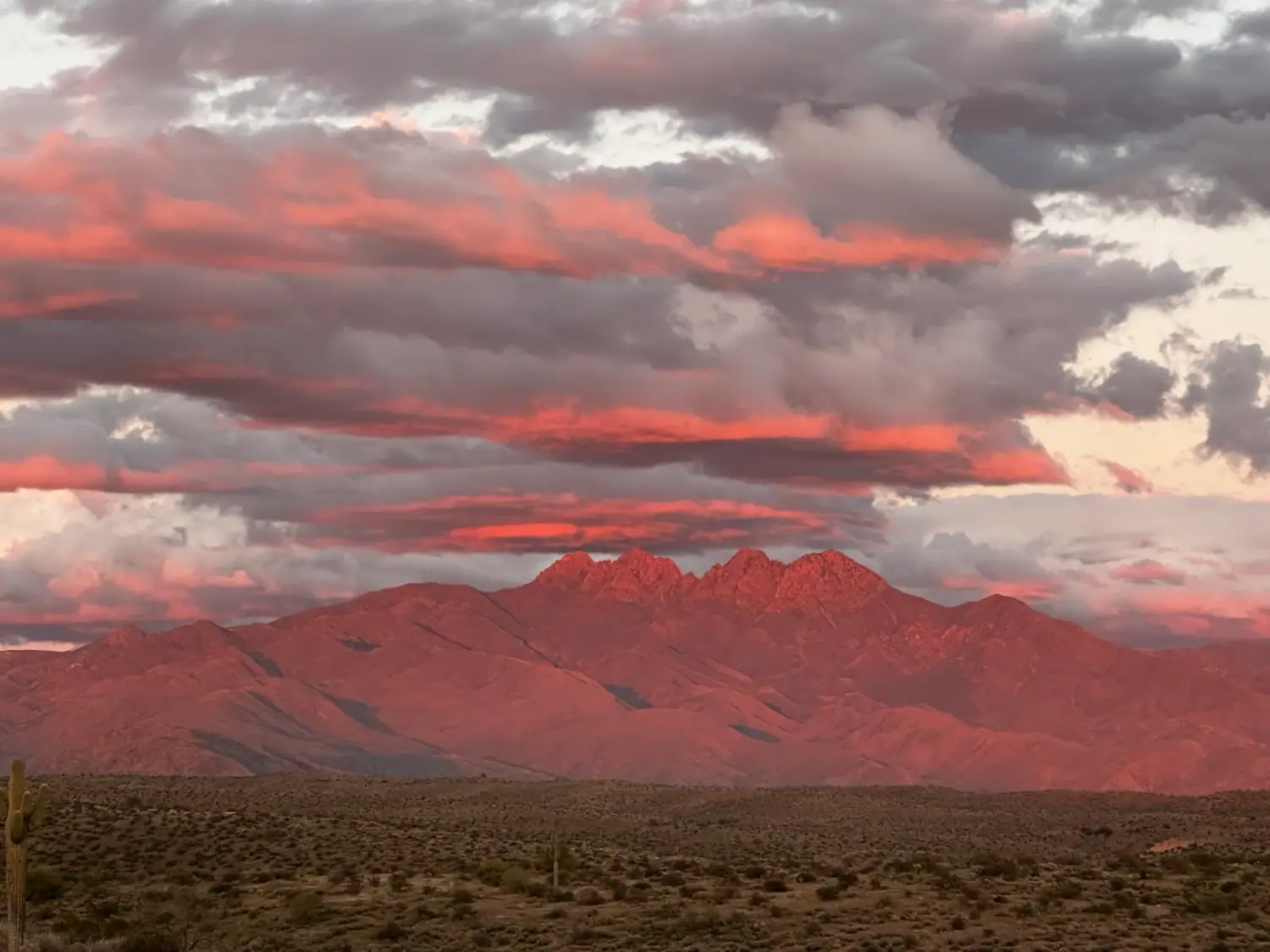
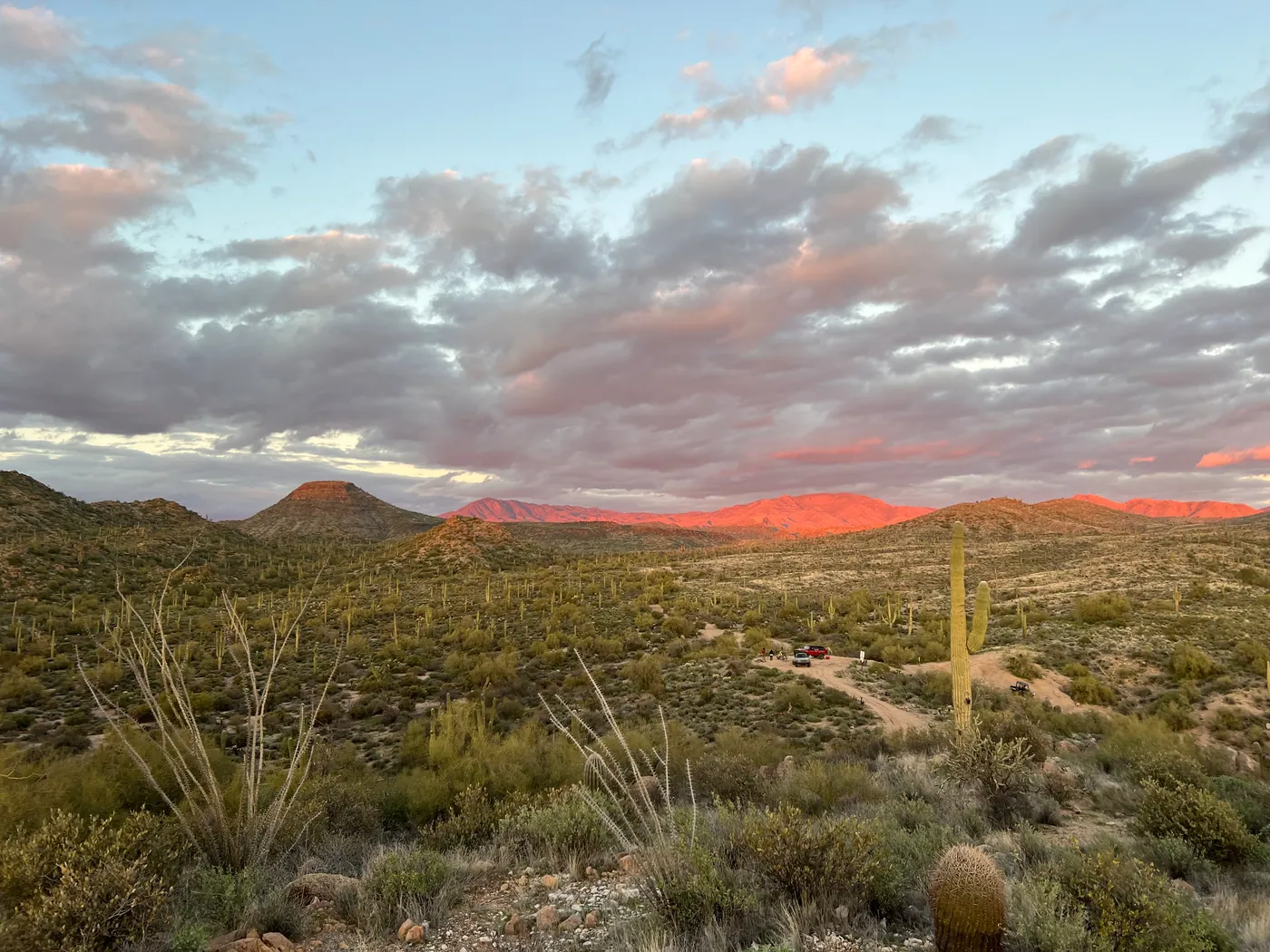
- Shoot toward the light at golden hour. The silhouette in the photo at the top of this page is the classic shot, and the sky does most of the work.
- Give the cactus room. Frame it with the mountains behind, as Four Peaks does on many of our rides. Our Four Peaks guide shows what that looks like.
- Keep your distance. Take the picture from the trail rather than standing against the plant.
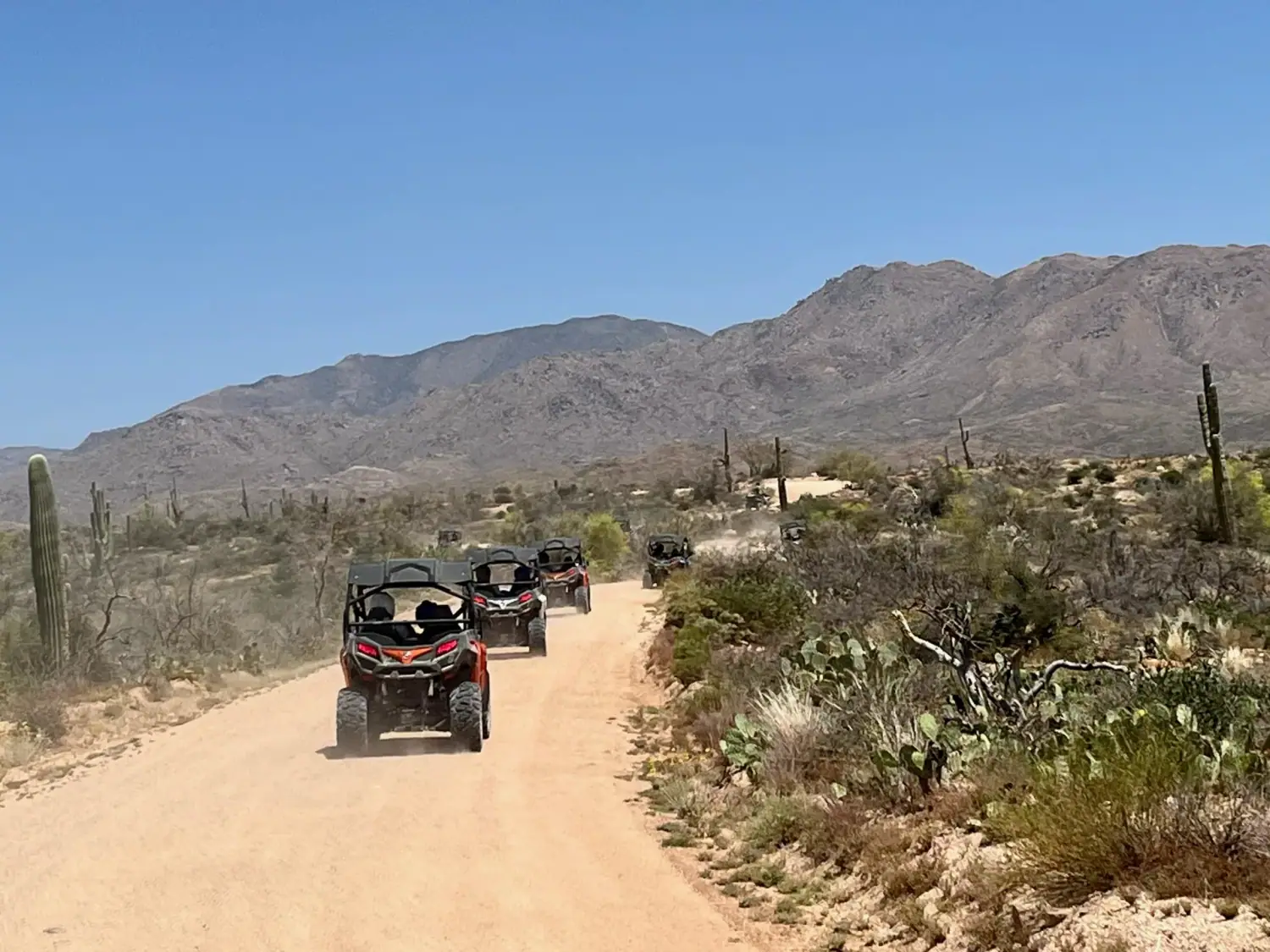
- Bring something to include for scale. A buggy or a person next to a saguaro shows its size better than the cactus alone.
See Them Up Close, Legally
The easiest way to spend real time around saguaros is a guided ride through the Tonto National Forest, where your guide picks the stops, tells you what you’re looking at, and shoots free photos with the cactus in the frame. Our Sonoran Desert wildlife and plants guide goes deeper, and every way to tour the Sonoran Desert compares your options.
| Price | $299 per two-seat buggy (about $150 per person), solo riders $199, plus tax and fees |
| Ages | Drivers 16+ with a license, riders 8+ |
| Trail | 20 to 25 miles, 2+ hours |
| Drive from Scottsdale | About 45 minutes |
Ready to Meet a 150-Year-Old Cactus?
Book a guided Scottsdale ATV tour, or time it for golden hour on the sunset U-Drive tour, when the saguaros glow. Staying in Phoenix? See our Phoenix ATV tours page. Call Desert Dog Offroad Adventures at (480) 837-3966 with any questions.